
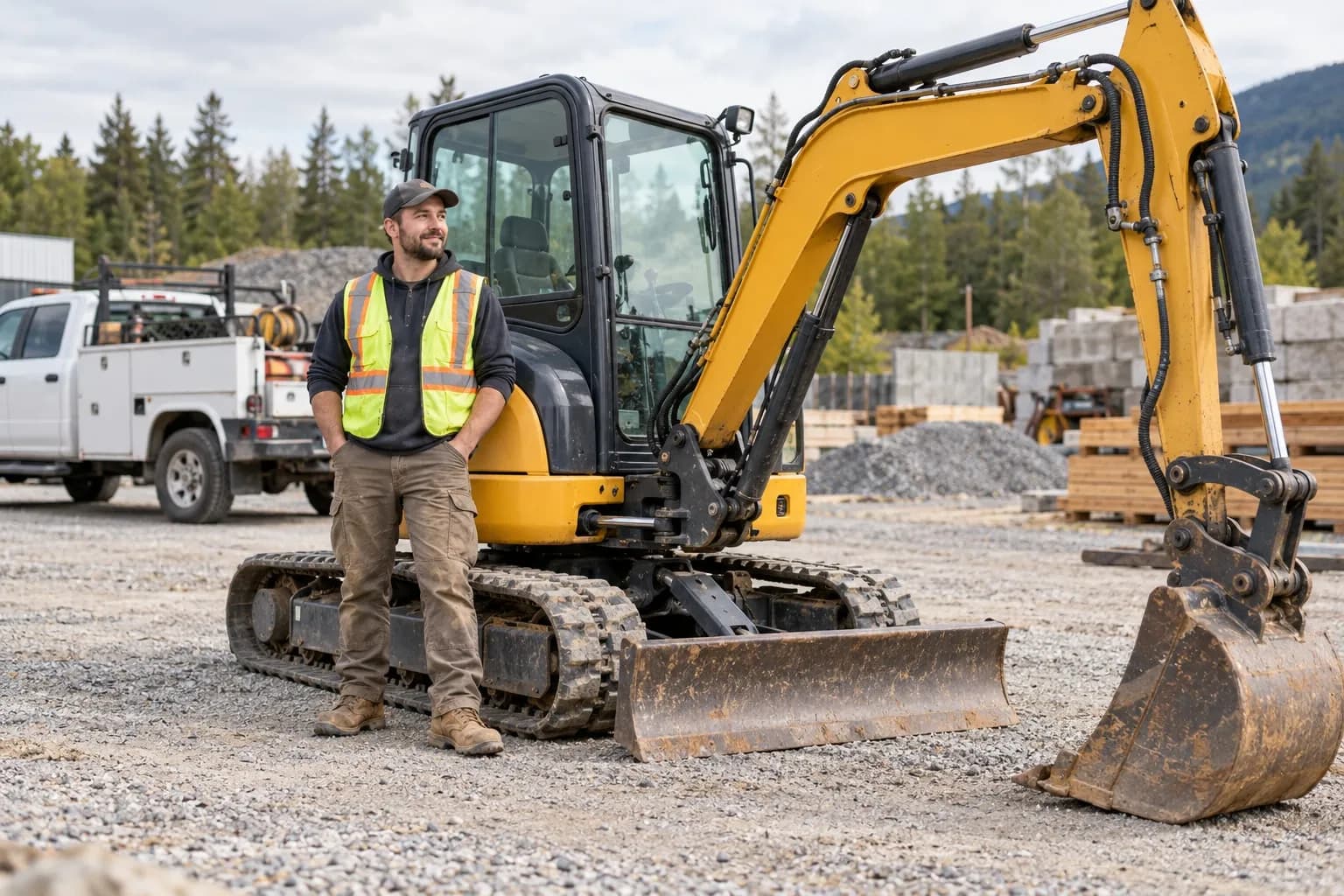
Machinery, vehicles, and tools are expensive, and paying cash can drain the working capital you need to operate. Equipment financing lets Canadian businesses acquire what they need and pay over time.
How Equipment Financing Works
With an equipment loan, the lender funds the purchase and the equipment itself usually serves as collateral. This often makes approval easier than an unsecured loan, since the lender has an asset to fall back on.
Loan vs. Lease: What’s the Difference?
Equipment loan: You own the equipment from the start. You make payments over the term and may claim depreciation or capital cost allowance for tax purposes.
Equipment lease: You pay to use the equipment for a set period. At the end, you may return it, renew, or buy it, depending on the lease type.
Choose a loan if you plan to keep the equipment long-term and want to build equity. Choose a lease if the equipment becomes outdated quickly or you want lower monthly payments.
What Can You Finance?
- Construction equipment: excavators, skid steers, compressors
- Commercial vehicles and trailers
- Restaurant and kitchen equipment
- Manufacturing and agricultural machinery
- Medical, dental, and technology equipment
- Software and point-of-sale systems (with some lenders)
What Lenders Look For
- Time in business: Some lenders approve newer businesses for equipment financing because the asset secures the loan.
- Credit history: Both personal and business credit may be reviewed.
- Down payment: Some lenders require 10% to 20% down.
- Equipment details: Age, condition, and resale value matter. New equipment is generally easier to finance than used.
- Cash flow: You need to show the equipment will pay for itself.
Government-Backed Option: CSBFP
The Canada Small Business Financing Program can be used to finance equipment and leasehold improvements, with the government sharing risk with the lender. Always confirm current limits and eligibility with your lender, since program details are periodically updated.
Tax Considerations
Equipment purchases may qualify for capital cost allowance deductions in Canada, and lease payments are often deductible as business expenses. Rules vary, so speak with an accountant before choosing between a loan and a lease.
Tips to Get the Best Terms
- Match the term to the equipment’s useful life. Don’t pay for a machine long after it’s worn out.
- Get quotes from multiple sources. Banks, credit unions, dealers, and independent lenders can differ significantly.
- Check dealer financing carefully. It’s convenient, but compare it with outside offers.
- Ask about early payout fees.
- Consider used equipment to lower the amount you need to borrow.
Mistakes to Avoid
- Financing more than the equipment is worth
- Ignoring insurance, maintenance, and operating costs
- Skipping the fine print on end-of-lease obligations
- Taking on payments that strain cash flow during slow seasons
The Bottom Line
Equipment financing keeps your cash free for payroll, materials, and growth. Get quotes from several lenders, understand the full cost, and make sure the equipment will generate more revenue than it costs to finance.
This article is general information only and not financial or tax advice.